


-
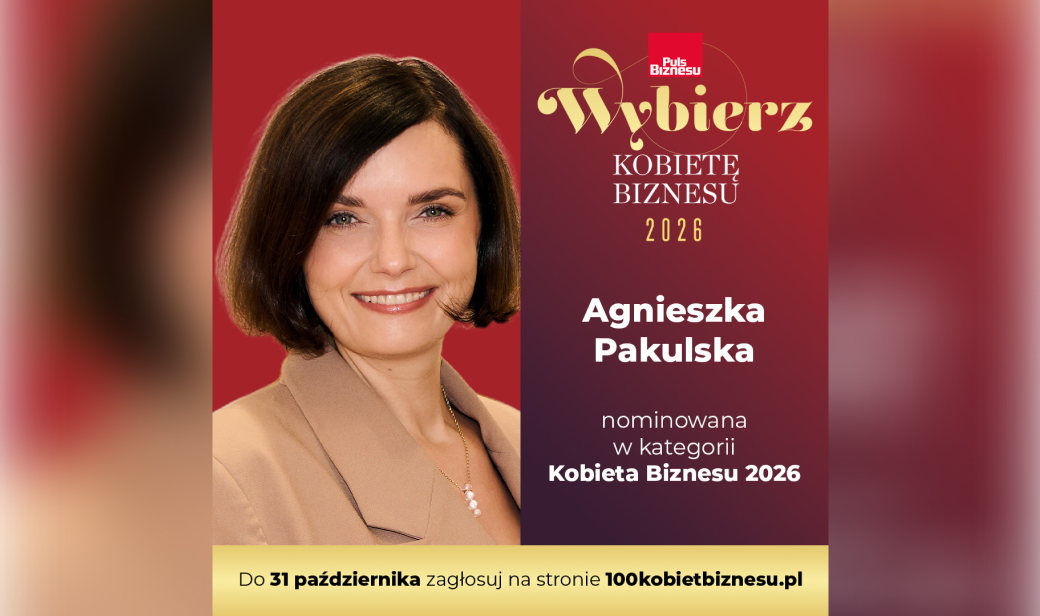
 8.10.2026 READ MOREAgnieszka Pakulska Nominated for Businesswoman of the Year 2026
Agnieszka Pakulska, Partner at Avallon, has been nominated for the title of Businesswoman of the Year 2026 (Kobieta Biznesu 2026) in a readers’ poll run by the Polish business daily Puls Biznesu. This year’s nominees were selected by the newspaper’s editorial team.
The poll is part of the 100 Women in Business (100 Kobiet Biznesu) project, which Puls Biznesu has run for 16 years to recognise women who play a significant role in Polish business.
Agnieszka Pakulska has been with Avallon since 2006. She specialises primarily in investments in the B2C and FMCG sectors. Her track record includes leading the development of Velvet Care and Good Food Products, both of which, during Avallon’s ownership, delivered growth well above investors’ original expectations. As a Partner at Avallon, she also sits on the supervisory boards of the fund’s portfolio companies.
She is currently responsible for, among others, Avallon’s investment in INGLOT, the first transaction completed under Avallon’s latest fund.
Agnieszka is also committed to increasing the presence and role of women in private equity, including through the Level 20 initiative.
Voting in the Businesswoman of the Year 2026 poll is open until 31 October on the 100 Kobiet Biznesu website.
The results will be announced on 26 November at a gala held at the Royal Theatre in the Old Orangery, Royal Łazienki, Warsaw.
-
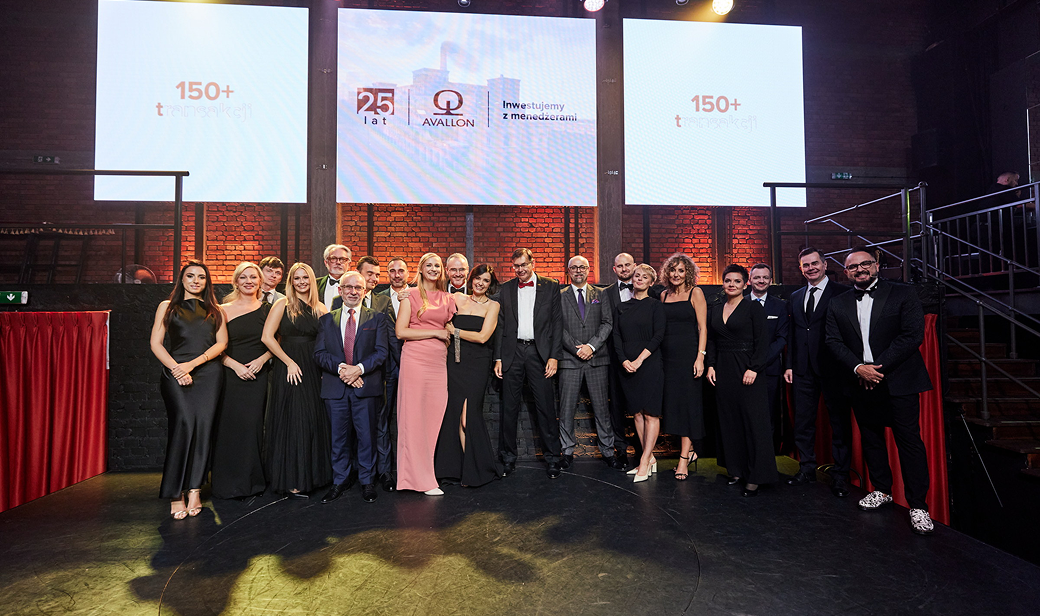 6.10.2026 READ MORE25 Years of Avallon MBO: A Unique Anniversary in Exceptional Company
A quarter of a century in business means hundreds of projects and transactions and the growth of many companies, but above all, relationships built over the years. That is why we wanted to celebrate Avallon’s 25th anniversary together with the people who have been, and continue to be, part of our story.
Nearly 250 guests joined us at Manuarte, in Łódź’s Manufaktura complex: entrepreneurs, investors, business partners, representatives of our portfolio companies, colleagues and friends of Avallon.
The anniversary evening was hosted by Tomasz Stamirowski, and the gala was presented by Marcin Dobrowolski. We opened the official programme with a look back at 25 years of Avallon, from our very first transaction to our fourth fund. This was followed by discussions that offered a chance to share memories and take stock, as well as to talk about the future, the challenges ahead and our plans.
After the official part, guests enjoyed dinner, networking and more informal conversations. Agustin Egurrola and his dancers gave the evening a truly special atmosphere, and the celebrations continued late into the night.
Above all, however, the evening was about people. We would like to thank everyone who accepted our invitation and joined us in Łódź, as well as everyone who, over the past 25 years, has placed their trust in Avallon, shared their experience with us and built companies alongside us.
It was an evening celebrating 25 years of shared history. Thank you for allowing us to experience it together.
And the next chapter is just beginning.
-
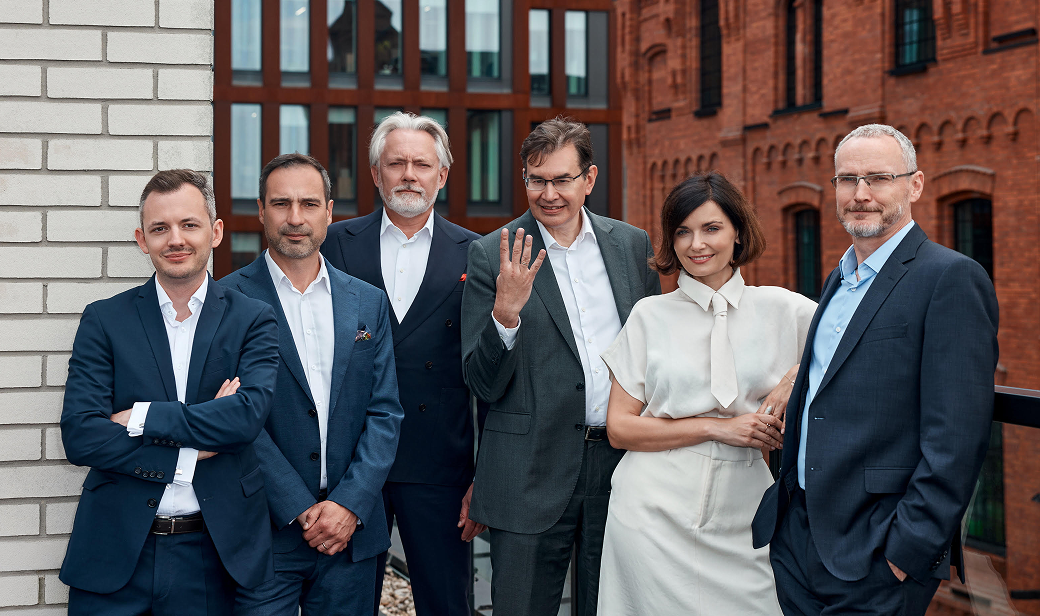 2.09.2026 READ MOREAvallon launches its largest fund to date. EUR 171.5 million to invest with managers – with a stronger focus on technology
Avallon MBO has completed the first closing of its new fund, Avallon MBO IV, raising EUR 171.5 million in the first closing. The fund’s target size may increase to EUR 260 million. The fundraising process will continue, and in the next stage larger Polish family foundations will also be able to invest in the fund. The capital raised will be allocated to investments in companies from Poland and the Central and Eastern European region.
Avallon MBO Fund IV is the fourth fund managed by Avallon MBO, one of the pioneers of the management buyout market in Poland. The recently announced investment in Inglot is the first transaction of this fund. Avallon MBO Fund IV will continue its existing strategy of investing alongside managers and the founders of family businesses, targeting the companies with turnover of EUR 20–100 million.
– The launch of Avallon MBO Fund IV is an important step in the development of our team and a confirmation of investors’ confidence in our team and in the market position we have been consistently building for 25 years. Over that period, we have become the leader in management buyouts and a top local private equity fund, with an impressive base of contacts and experience gathered from our projects so far – says Tomasz Stamirowski, Managing Partner at Avallon MBO.
A key element of the Avallon MBO Fund IV strategy will be the greater use of technology as a driver of company growth. This applies both to technology companies and to businesses in more traditional sectors which, through digitalisation, automation, the use of software and data analytics, can improve their efficiency, scalability and competitiveness. At the same time, the fund will continue to invest in industries in which Avallon has many years of experience, including consumer brands, B2B services, e-commerce and manufacturing companies, as well as in promising companies requiring support in succession, professionalisation and consolidation processes.
As Tomasz Stamirowski emphasises, the current market environment favours investors who know the local market well and are able to execute transactions smoothly with company owners and managers. A number of Polish companies are today undergoing generational change. We are seeing growing interest in succession transactions and management buyouts. For many owners, what matters today is not only achieving an attractive valuation, but also finding a partner who understands the specific nature of the company, its organisational culture and the role of its management board. The MBO model responds very well to these needs, as it allows capital, the fund’s experience and the commitment of managers who know the business from the inside to be combined – adds Tomasz Stamirowski.
Over its more than 25 years of activity, Avallon has invested more than PLN 1 billion in Polish companies. The new fund will operate at a larger scale than Avallon’s previous investment vehicles. Each successive fund has been larger than the one before. Avallon’s first fund amounted to EUR 50 million, the next was more than twice as large (EUR 109 million), and Avallon MBO III, closed in 2021, raised EUR 137 million and invested in eight companies. The third fund’s portfolio now includes: Clovin with the Purox and Dr.Prakti brands, Norlys, Letniskowo, MPPK Group with the Wiejska Zagroda and Pan Mięsko brands, SAT – owner of the S’portofino store chain, Globema and the Czech company TES Vsetin. These investments are currently being developed, although some of the companies are attracting strong investor interest.
Alongside the launch of Avallon MBO Fund IV, the fund is also strengthening its team. Mateusz Kacprzak is joining the partner group and will be responsible for sourcing new investment projects and for developing the fund in the area of technology adoption and digitalisation in portfolio companies. In parallel, Avallon is expanding its investment, analytical and operational teams in order to increase its capacity to run a larger number of projects.
– A fund of this scale will allow us to carry out larger transactions and, at the same time, to pursue more projects in parallel. We see significant potential in companies outside the technology sector, for which digitalisation and automation enable faster growth. This is an area in which we want to actively support companies after investment – says Mateusz Kacprzak, Partner at Avallon MBO.
Avallon MBO Fund IV addresses its offering both to institutional and private investors, including domestic ones family offices and family foundations, which are increasingly seeking long-term exposure to the private equity market.
-
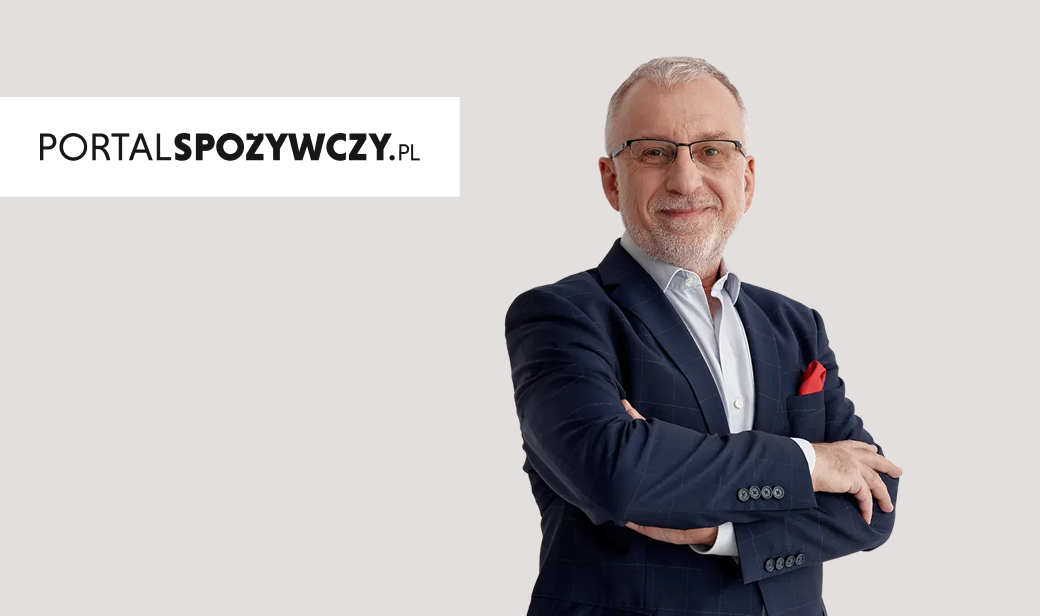 1.07.2026 READ MOREKrzysztof Kuźbik in Portal Spożywczy on Maspex’s Latest Acquisition in Ukraine
Maspex’s acquisition of a majority stake in Ukrainian company Carpathian Mineral Waters is a transaction that should be viewed through a much broader lens than that of a single industry. It also sends an important signal to Polish companies considering expansion across the Central and Eastern European region.
Speaking to Portal Spożywczy, Krzysztof Kuźbik, Partner at Avallon MBO, noted that Polish companies currently have a unique opportunity, but also a limited window of time to act. If Polish entrepreneurs fail to seize this opportunity, investors and businesses from other countries will.
Ukraine is set to become one of the key markets in the region, and those who begin building their presence early will be best positioned to benefit. For many Polish companies, Ukraine could become a natural direction for expansion—geographically close, economically complementary, and strategically important for the entire Central and Eastern European region.
“Understanding the local market is essential—its rules, relationships, consumer behaviour and the way public administration operates. It is simply not possible to successfully run a business in Ukraine solely from Warsaw or Kraków. This is why experienced professionals with in-depth knowledge of the market—Polish, Ukrainian and international managers alike—will play a crucial role. Such expertise will be a major asset for companies looking to enter Ukraine through acquisitions,” commented Krzysztof Kuźbik, Partner at Avallon MBO.
Read the full interview on Portal Spożywczy:
https://www.linkedin.com/posts/portalspozywczy_przej%C4%99cie-maspeksu-na-ukrainie-to-wa%C5%BCny-activity-7477291471122022401-EpnY -
 17.06.2026 READ MOREAvallon MBO and Inglot Join Forces to Accelerate the Global Expansion of a Leading Beauty Brand
Avallon MBO, a private equity company specialising in management buyouts, has invested in Inglot, one of Poland’s most recognized beauty brands with a significant international presence.
The transaction involves the acquisition of a majority stake and reflects Avallon MBO’s strong belief in the potential of Polish brands to build and strengthen their global position. Avallon brings extensive experience in supporting family-business succession, organisational transformation, and long-term value creation alongside founders, owners, and management teams.
Under the leadership of the next generation of the founding family, supported by Avallon MBO’s expertise, Inglot will continue to build on the same foundations that have shaped its global success: Polish heritage, in-house manufacturing, creative independence, and uncompromising quality.
Inglot is among a select group of Polish brands that have successfully established a global presence and strong brand recognition. Built over more than 40 years, the company now operates across international markets, leveraging a business model based on proprietary manufacturing, product innovation, creative independence, and a strong brand position.
The partnership with Avallon MBO is intended to support the next phase of business scaling, including further international expansion, organic growth, and investments in organisational capabilities, technology, and operational platform development. Inglot’s growth strategy focuses on international expansion, broadening its product portfolio, and strengthening e-commerce and omnichannel capabilities. Poland will remain one of the company’s key growth markets.
“This transaction is designed to support the continued scaling of the business, further professionalisation of the organisation, and the development of capabilities required to drive growth in international markets. For our business partners, it means continuity of cooperation within the existing operating model, combined with new opportunities to grow alongside the brand. Planned investments in product development, sales enablement tools, and competitive capabilities are intended to support revenue growth and further expansion across all channels,” said Agnieszka Pakulska, Partner at Avallon MBO and the lead on the transaction.
“This marks another important milestone in our development journey. Bringing on board a partner such as Avallon enables us to accelerate the execution of our strategic objectives and scale the business more rapidly across international markets. We gain access to valuable operational expertise and know-how that will support the continued professionalisation of the organisation. Operationally, we are not planning any revolution. Our focus remains on consistently developing each area of the business, strengthening sales channels, and capturing new growth opportunities. I believe this partnership will help Inglot enter the next stage of professionalisation and development—an ambition I have pursued for many years,” said Grzegorz Inglot, CEO of Inglot.
The transaction aligns with Avallon MBO’s strategy of partnering with companies that have strong market positions, recognised brands, and significant growth potential, working closely with founders, owners, and management teams to unlock long-term value.
In the photo: Agnieszka Pakulska, Grzegorz Inglot
“I will remain actively involved in the management of the company and will continue to contribute to its development as CEO and shareholder,” added Grzegorz Inglot. “The family will also remain an important part of the company’s ownership and governance structure. My sister, Milena Inglot, will continue serving on the Management Board, while our father, Zbigniew Inglot, will represent the family on the Supervisory Board. Existing family shareholders, Elżbieta Inglot and Barbara Inglot, will also remain involved both as shareholders and in expert roles within the organisation.”
Industry forecasts project the global beauty market to grow at a compound annual growth rate (CAGR) of between 3.4% and 7% through 2030, with total market value expected to exceed USD 800 billion. In Poland, the beauty market is forecast to grow at a CAGR of approximately 6–7%.
Consumers are increasingly focused on product quality and ingredient transparency, seeking not only makeup products but also skincare-oriented solutions that support skin health and overall condition. Demand continues to rise for science-led products backed by proven formulations and research-based efficacy.
Closing of the transaction is subject to customary regulatory approvals and is expected following the summer holiday period.


